
This year has revealed a new reality in many American suburbs. In major metropolitan areas from Phoenix to Charlotte, a quiet, aggressive shift has reached a tipping point: institutional "mega-landlords" and private equity firms now own a record percentage of the nation’s single-family homes. For many, neighborhoods are starting to feel more like corporate portfolios.
It’s starting to feel like a new kind of neighborhood monopoly. Wall Street, backed by massive capital and data-driven bidding strategies, is consistently outpacing the average family and the "mom-and-pop" buyer. This shift is gradually turning the American Dream into something that looks a whole lot more like long-term renting.
When the neighborhood is owned by a ticker symbol rather than a neighbor, the social fabric of the community can start to fray. Fortunately, a counter-movement is rising at the same time. Through solutions like high-yield housing bonds, everyday investors don’t have to watch from the sidelines. They can help fund new construction rather than compete in buyouts, while still earning a meaningful return on their investment.
Community Capital vs. Corporate Capital: What's the Difference
To understand the opportunity, you first need to understand the difference between corporate capital and community capital. Corporate capital is often focused on acquisition; it seeks to purchase existing "starter home" inventory, drive up the price through scarcity, and convert those homes into high-yield rentals. This doesn’t really address the underlying supply problem. In fact, all it does is change who holds the deed to the property.
Community capital, facilitated by platforms like Worthy Wealth, works a bit differently. Rather than competing with families for the few houses left on the market, this capital goes toward developers who are actually adding new inventory. While large firms are buying existing homes, community-funded bonds are helping build new ones. This "Main Street" advantage focuses on the critical supply the U.S. housing market is desperately missing: the entry-level, attainable starter home for the average American.
Investing in the Solution, Not the Problem
The U.S. is currently facing a housing shortage in the millions. Limited inventory is the main reason that prices continue to rise, which makes it even harder for the middle class to afford a home for their family. While mega-corporations only exacerbate the issue by hoarding existing stock, housing bonds aim to address the root cause.
Your investment can help fund the "unsexy" but necessary infrastructure that makes a home possible. We are talking about paving roads, laying electrical lines, and preparing the land. By providing the capital for these foundational steps, bondholders are literally helping lay the groundwork for new neighborhoods.
This reflects a broader move towards impact investing in the investment landscape this year. Modern investors are no longer satisfied with returns alone. They want their money to do "double duty": earning a competitive yield while simultaneously solving a social bottleneck. Housing affordability is one of the defining challenges of this decade—one that impact investing could help solve.
Taking Back the Block, One Investment at a Time
We may not be able to stop every corporate takeover or prevent every private equity firm from investing in the residential market. However, we can help outbuild them. By shifting capital away from speculative hoarding and toward productive development, we can shift the direction our communities grow.
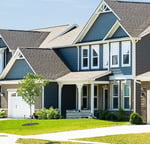 The health of a neighborhood isn't measured by returns in a distant boardroom. It comes down to the stability and pride of the people living there. Real wealth goes beyond the numbers on your balance sheet and depends on the strength and accessibility of the streets we call home. Through Worthy Wealth housing bonds, we can start taking back the block, one brick at a time.
Worthy Wealth Housing Bonds - Investors Become the Bank
For many investors, the appeal isn't just the mission. It’s also in the numbers. Worthy Wealth Housing Bonds offer a structured return that can feel more predictable than the stock market. Here’s how it works:
- Years 1–3: Investors receive a 9% fixed annual return.
- Years 4–5: The yield increases to 10% for those who maintain their investment through the full term.
A natural question is how such a high yield is possible in a changing economy. The answer is visible in today’s banking landscape. Since 2023, traditional bank lending for residential developers has tightened significantly, leaving many reputable builders with projects ready to break ground but without the "bridge" capital to start.
Worthy Wealth fills this gap. Because developers are willing to pay a premium for fast, dependable capital to move their projects forward, Worthy can fund these projects and share that interest directly with bondholders. Furthermore, these are not just theoretical investments. The bonds are asset-backed. They are secured by real-world residential real estate, which provides a layer of real-asset backing that many digital or speculative investments don’t have.